Complete Cost & Installation Guide

Solar Panel Installation Cost, Process & What to Expect

Solar panel installation cost in the UK typically runs between £5,000 and £14,000, depending on system size, roof complexity, and whether battery storage is included. A standard 4kW system the most common choice for a 2–3 bedroom home usually costs £6,500 to £8,500 fully installed. Solar Xtra manages every stage of the process, from survey through to certification, with a free solar quote to confirm the exact figure for your property.

£5k–£14kTypical Cost Range
1–4 DaysOn-Site Install
0% VATUntil Mar 2027

15+ Years Experience
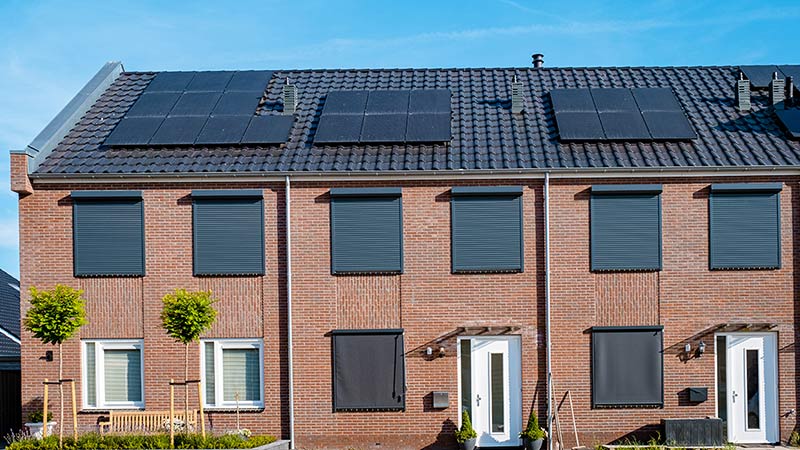
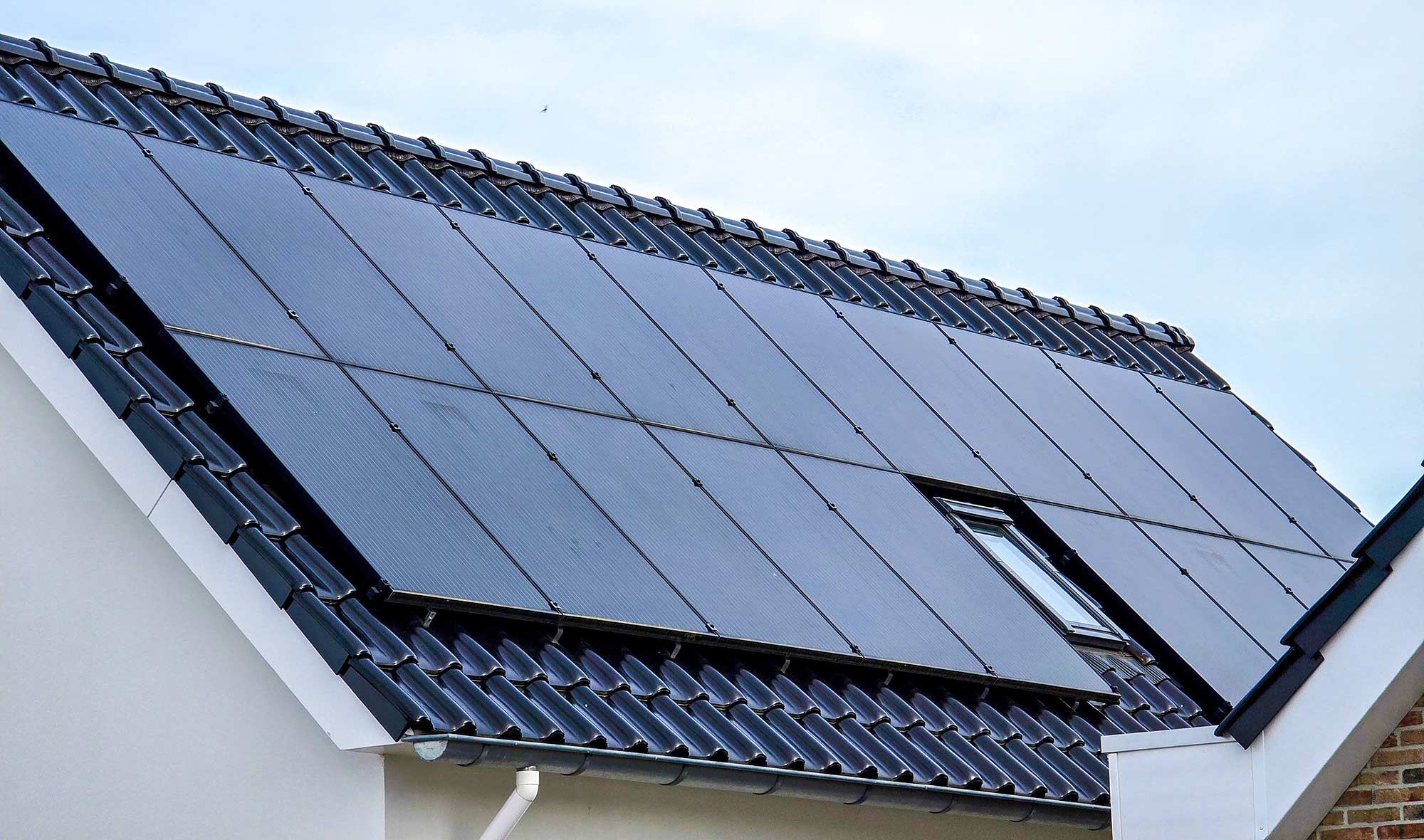
Solar panel installation on a UK home
4kW System (Most Common)
£6,500–£8,500
Fully installed, 9–10 panels, 2–3 bedroom home
The Basics

What Is Solar Panel Installation?

Solar panel installation is the process of fitting a solar PV system to a property's roof to generate electricity from sunlight, connecting it to the home's electrics, and registering it for certification and export payments. The work is carried out by an experienced installer to meet UK safety standards and support eligibility for the Smart Export Guarantee (SEG).

A Typical Installation Includes
Solar Panels
Inverter
Mounting Hardware
Wiring & Cabling
Battery Storage
Installation Certification
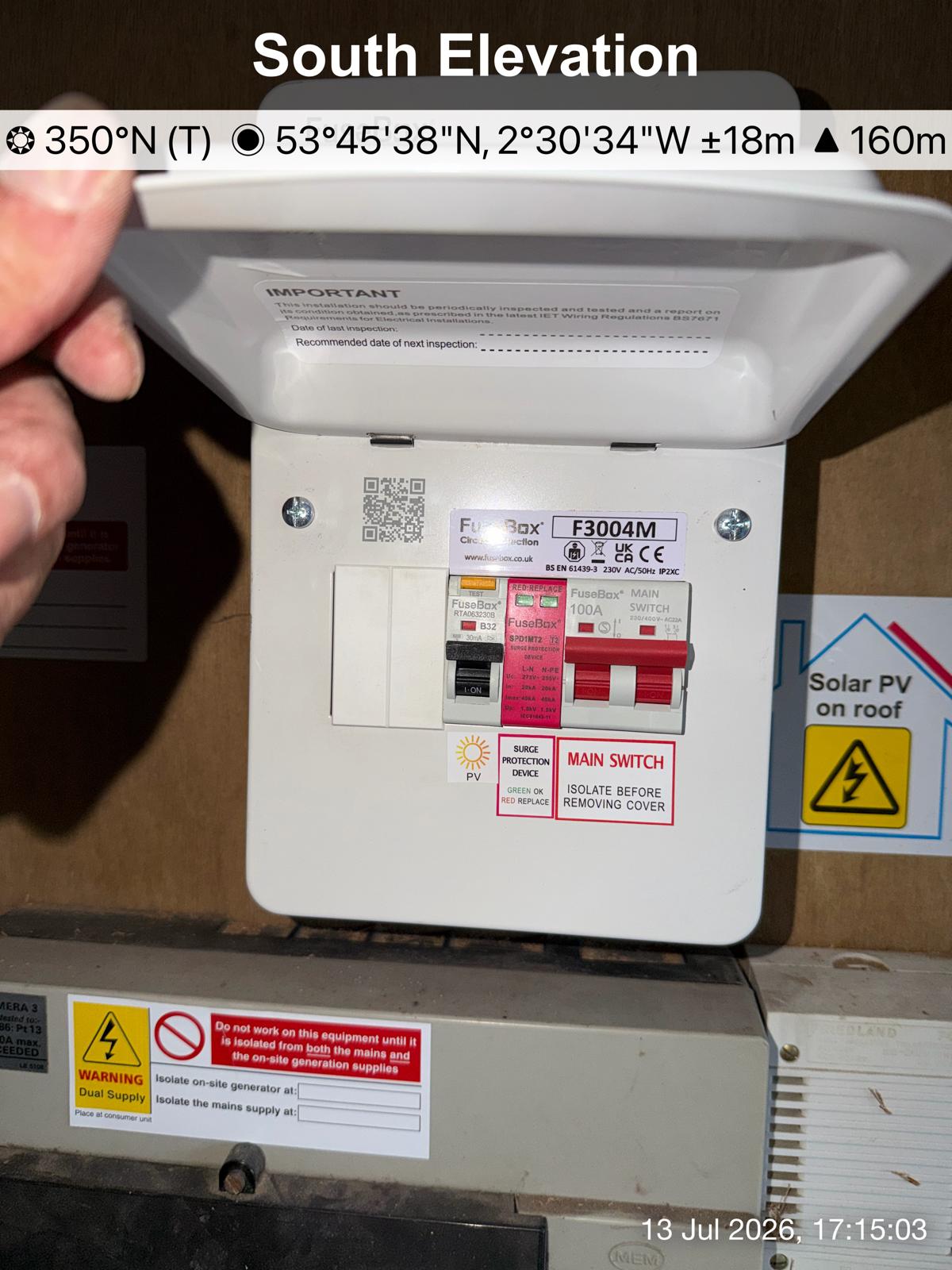
Professional installation matters — it helps ensure your system meets UK safety standards and supports eligibility for Smart Export Guarantee (SEG) payments.
Professional InstallationSEG Registered
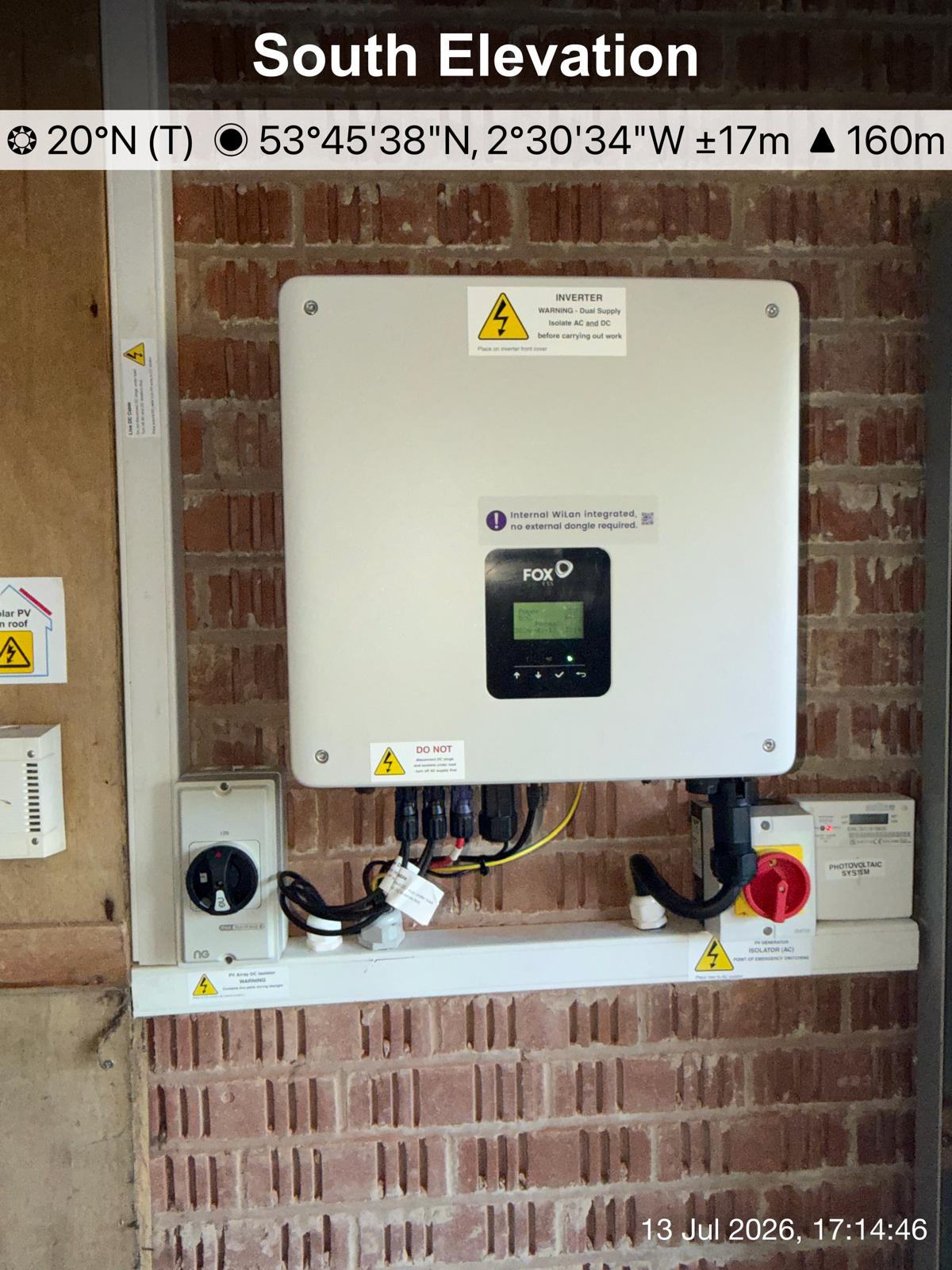
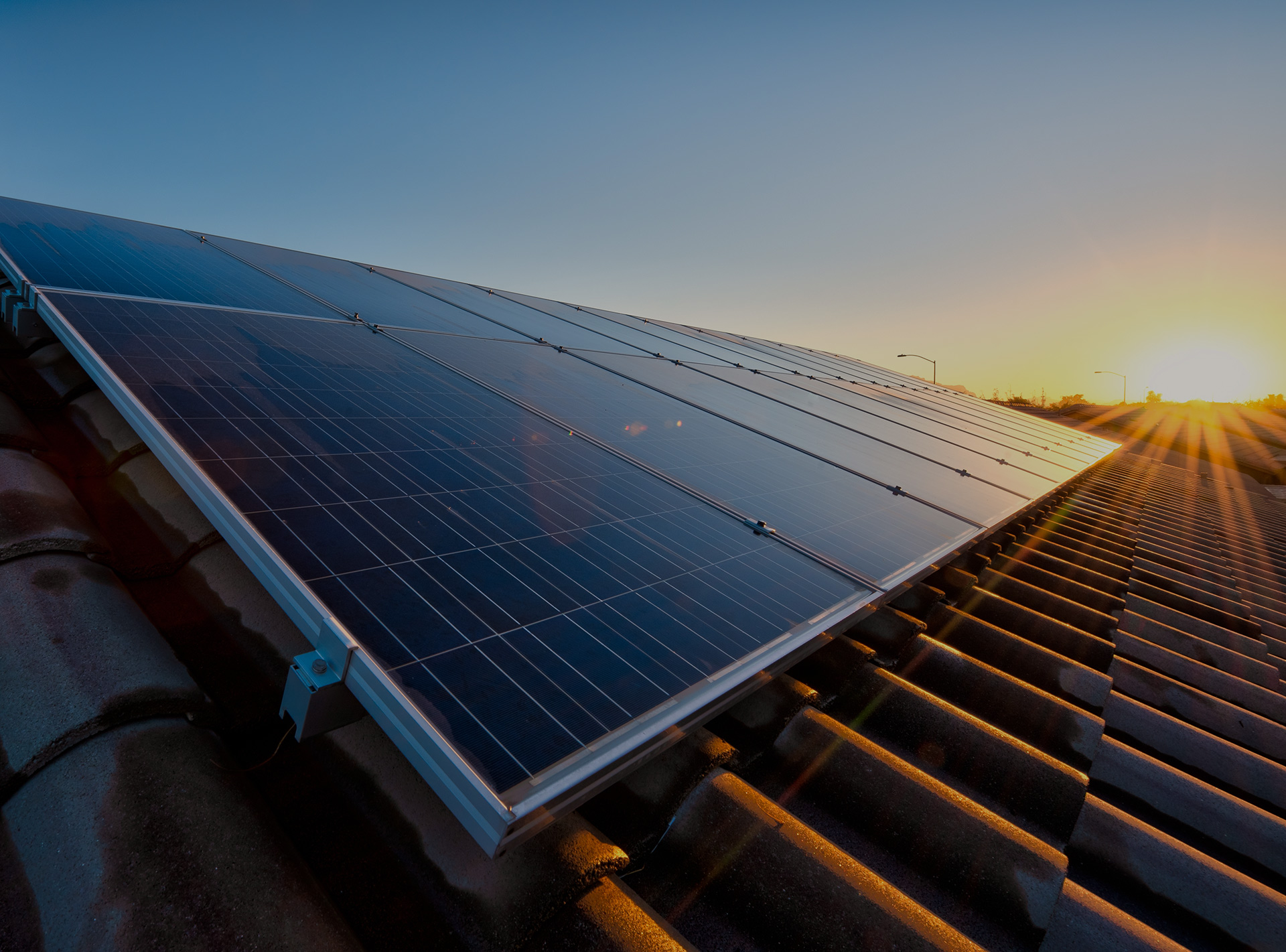
Solar panel installation components on a UK roof
Pricing Breakdown

How Much Does Solar Panel Installation Cost?

Cost depends primarily on system size (measured in kWp — kilowatt-peak), roof type, and whether battery storage is added.

3.0 kWp
1–2 bedroom home
Panels7–8
£5,000–£6,500
Most Common
4.0 kWp
2–3 bedroom home
Panels9–10
£6,500–£8,500
5.0 kWp
3–4 bedroom home
Panels11–13
£8,000–£10,000
4.0 kWp + Battery
Average home with storage
Panels9–10
£10,000–£14,000

Figures reflect current UK market averages (2026) and are for guidance only — your solar panel installation cost is confirmed after a site survey, not from a table.

What Affects the Price

System Size

Larger systems cost more overall but often less per kW.

Panel Type & Efficiency

Premium monocrystalline panels cost more than polycrystalline but produce more power per square metre.

Roof Access & Scaffolding

Steep, high, or multi-angled roofs increase labour cost.

Inverter Choice

String, hybrid, and micro-inverters vary in price and function.

Battery Storage

Typically adds £3,000–£7,000 depending on capacity.

0% VAT

Eligible installations remain zero-rated until 31 March 2027 — cutting the upfront bill by roughly a fifth.

Choosing Your Panels

Types of Solar Panels

The two most common panel types differ in efficiency, appearance, and roof space required — here's how they compare.

Monocrystalline solar panels
Recommended for UK Roofs

Monocrystalline

Made from a single silicon crystal, giving higher efficiency and a sleeker black finish — the standard choice for most UK roofs where space is limited.

Higher efficiency Sleeker black finish Less roof space needed
Polycrystalline solar panels

Polycrystalline

Made from multiple silicon fragments, costing less per panel but needing slightly more roof space for the same output.

Lower cost per panel Slightly more space needed Blue-tinted finish
400–450WPer Modern Panel

Panel Efficiency & Wattage

Most modern panels are rated between 400W and 450W each, meaning fewer panels are needed compared to older systems. Panel efficiency — the percentage of sunlight converted to usable electricity — affects how many panels fit a given roof area, which matters most on smaller or oddly shaped roofs.

Sizing Your System

How Many Panels Do You Need?

The right number of panels depends on your roof space, household electricity use, and whether you're planning ahead for an EV charger or heat pump. As a rough guide, a 2–3 bedroom home with average usage typically needs 9–10 panels for a 4kW system, while larger homes with higher usage may need 11–13 panels or more.

Roof Space
Electricity Use
EV Charger Plans
Future Heat Pump
An accurate figure comes from a site survey that accounts for your actual roof orientation, shading, and consumption pattern — not a generic bedroom-count rule.
Solar panels fitted on a UK roof
Typical 4kW System9–10 Panels
2–3 bedroom home, average usage — confirmed by site survey
Step By Step

The Solar Panel Installation Process

Solar Xtra's fully managed process covers every stage, so you're not coordinating separate contractors or paperwork yourself.

01 · Survey & Site Assessment

A qualified surveyor assesses roof pitch, orientation, shading, and your existing electrics, then confirms system size and expected output for your specific property.

1
2

02 · System Design

Panels, inverter, and — where included — battery are specified to match your roof and usage, with a DNO application submitted where required.

03 · Installation Day

Most solar panel installations are completed on-site in 1–4 days, depending on system size, roof complexity, and whether battery storage is included.

3
4

04 · Certification & Handover

Once fitted, the system is commissioned, tested, and fully documented, giving you the information needed for SEG payments and any applicable warranty.

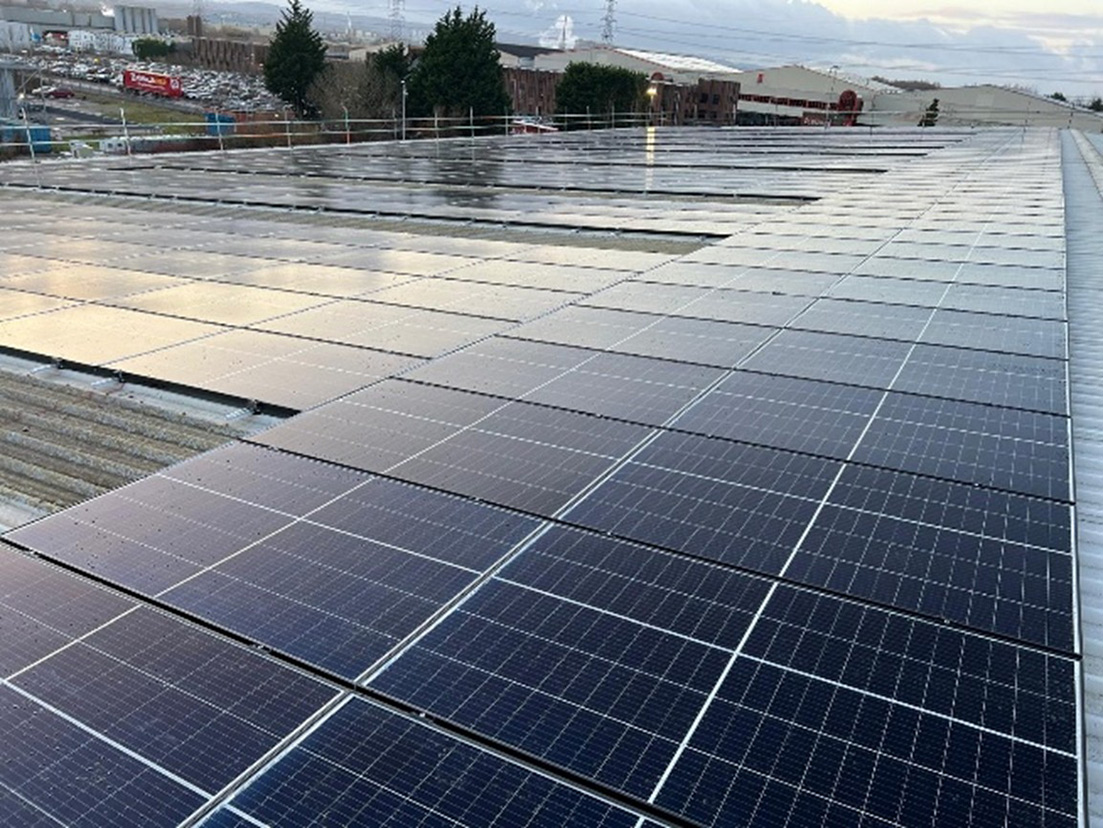
Solar panels on a flat roof with tilted mounting frame
Tilted Mounting FrameFor flat & non-standard roofs
Non-Standard Roofs

Solar Panels on Flat Roofs & Non-Standard Properties

Flat roofs and non-standard properties can still support solar panels, usually using a tilted mounting frame to angle panels toward the sun rather than laying them flat. These installations typically need additional structural and wind-load assessment, which is carried out as part of the survey — rather than assumed from photos or floor plans alone.

Tilted mounting frame angles panels toward the sun
Additional structural assessment carried out
Wind-load assessment included as part of survey
Peace of Mind

Solar Panel Warranties

Solar panel installations typically carry two separate types of cover: a workmanship warranty on the installation itself, and a manufacturer warranty on the panels, inverter, and battery — often running 10–25 years depending on the component and brand.

Workmanship WarrantyCovers the installation itself, not just the equipment.
Install
Manufacturer WarrantyCovers panels, inverter, and battery separately from the install.
10–25 yrs
Checking both warranty lengths — not just the headline installation price — is one of the clearest ways to compare quotes fairly.
Solar panel warranty and certification
10–25 YearsManufacturer Cover
Funding Options

Grants, VAT & Funding for Solar Panels

Ways to reduce the upfront and ongoing cost of your solar panel installation.

Until 31 Mar 2027

0% VAT

0% VAT applies to eligible solar panel and battery installations until 31 March 2027, after which it reverts to the standard reduced rate.

Ongoing Income

Smart Export Guarantee (SEG)

SEG payments are available for exported electricity, though rates vary by supplier and are not fixed nationally.

Case-by-Case

Wider Home Energy Schemes

Some households may also be eligible depending on income and existing EPC rating — eligibility is checked case-by-case, not assumed.

Suitability

Is Your Home Suitable for Solar?

Most UK homes with reasonable roof space and limited shading are suitable for solar. South-facing roofs generally perform best, but east- and west-facing roofs can still generate a meaningful share of daytime electricity. The clearest way to confirm suitability — rather than guessing from roof direction alone — is a proper site survey covering shading, structural condition, and your actual electricity usage pattern.

Get a Free Roof Survey
Roof Orientation Performance
NLeast
EGood
WGood
SBest
South — Best Performance
East/West — Still Good
FAQs

Frequently Asked Questions

Quick answers to the questions we hear most about solar panel installation.

How much does solar panel installation cost?

Most UK homes pay £6,500–£8,500 for a standard 4kW system, rising to £10,000–£14,000 with battery storage — the exact figure depends on system size, roof complexity, and equipment choice.

How long does solar panel installation take?

On-site installation is usually completed in 1–4 days, though the full process, including survey, design, and DNO approval, can span several weeks from enquiry to switch-on.

What's the difference between monocrystalline and polycrystalline panels?

Monocrystalline panels are more efficient and take up less roof space for the same output; polycrystalline panels cost less but need slightly more space.

Can solar panels be installed on a flat roof?

Yes, using a tilted mounting frame, though flat roofs typically need an additional structural and wind-load assessment as part of the survey.

Is 0% VAT still available on solar panels?

Yes, eligible solar and battery installations remain zero-rated for VAT until 31 March 2027.

How many solar panels do I need for my house?

A typical 2–3 bedroom home needs around 9–10 panels for a 4kW system, though the right number depends on roof space, shading, and household usage.

What warranty comes with solar panel installation?

Installations typically include a workmanship warranty on the install itself, plus separate manufacturer warranties on the panels, inverter, and battery.

Still have questions?

Book a Free Consultation
Free, No-Obligation Survey

Get Your Free Solar Panel Quote

Find out your exact solar panel installation cost with a free, no-obligation survey from Solar Xtra's experienced team.

Book a Free Consultation
15+ years industry experience · Across England · Fully managed