Complete Cost & Installation Guide

Battery Storage Systems: Cost, Capacity & How They Work

Battery storage cost UK-wide typically runs between £2,500 and £8,000 fully installed, depending on capacity and brand. With 0% VAT on battery storage until March 2027 and rising peak electricity prices, most households recover the cost within 5–10 years through bill savings. Solar Xtra designs and installs battery systems both alongside new solar and as a standalone addition to an existing setup.

£2.5k–£8kTypical Cost Range
5–10 YrsTypical Payback
0% VATUntil Mar 2027
Professional Installation
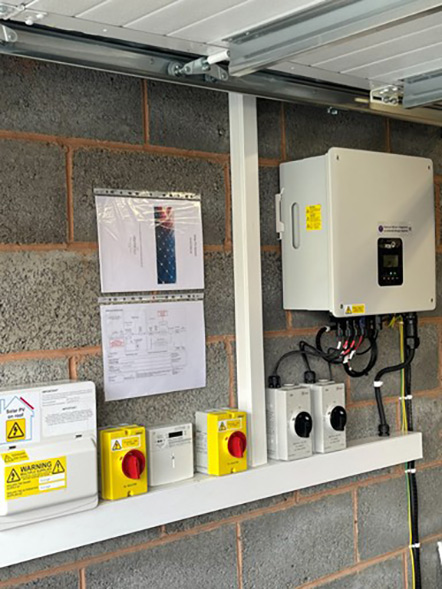
Home battery storage system installed
5–10 kWh (Most Common)
£4,000–£6,500
Fully installed, average 3-bed home coverage
The Basics

What Is a Home Battery Storage System?

A home battery storage system stores electricity — either generated by solar panels or bought cheaply from the grid — so it can be used later, typically in the evening when electricity costs more. Most modern systems use lithium iron phosphate (LFP) cells, valued for their long cycle life and safety, paired with a hybrid inverter or AC-coupled setup depending on whether solar is already installed.

What Makes Up the Installed Price
Battery Unit (LFP Cells)
Hybrid / AC-Coupled Inverter
Consumer Unit Upgrades
Long Cycle Life & Safety
Charge cheap — solar or off-peak grid
Use later — evening peak rates
LFP CellsLong Cycle Life
Home battery storage system components
Pricing Breakdown

How Much Does Battery Storage Cost?

Cost depends mainly on capacity (measured in kWh), brand, and whether an inverter is already in place from an existing solar system.

3–5 kWh
£2,500–£4,000
Smaller households covering evening peak usage
Most Common
5–10 kWh
£4,000–£6,500
Average 3-bed home, full peak-period coverage
10–15 kWh
£6,000–£8,000+
Larger homes, EV charging, or high consumption

Figures reflect current UK market averages (2026) and exclude scaffolding, consumer unit upgrades, or DNO application fees where these are needed. Your exact battery storage cost is confirmed after a survey, not from a table.

What Affects the Price

Capacity

Larger batteries cost more upfront but often work out cheaper per kWh.

Inverter Compatibility

A hybrid inverter may already be in place if you have solar; if not, one needs adding to the quote.

Installation Complexity

Garage or utility-room fitting is typically quicker than loft installs or long cable runs.

Brand

Premium all-in-one units often cost more but simplify installation and monitoring.

0% VAT

Battery storage, standalone or paired with solar, currently qualifies for 0% VAT until 31 March 2027.

Common Misconception

Do You Need Solar Panels to Get a Battery?

No.

This is one of the most common misconceptions about home batteries — pairing one with solar panels is a strong combination, but a standalone battery can save money on its own. The principle is straightforward: charge on a time-of-use tariff when electricity is cheap, then use that stored power when peak rates apply.

Off-Peak vs Peak Rates
7pOff-Peak /kWh
25–30pPeak /kWh
That gap is the saving — tariffs like Octopus Go
Upgrading Existing Solar

Retrofitting a Battery to an Existing Solar System

If you already have solar panels home, adding a battery afterward is a common upgrade rather than a full re-install. Retrofitting typically means fitting a battery with its own inverter that works alongside your existing solar setup.

£800–£1,800 additional installation labour on top of the battery unit
Self-Consumption of Solar Generation
Before: ~35%After: up to 70%
Battery retrofitted to existing solar system
35% → 70%Self-Consumption Raised
Payback Factors

How Battery Storage Works With Your Energy Tariff

How quickly a battery pays for itself depends heavily on your electricity tariff and usage pattern.

Tariff Type

The bigger the gap between off-peak and peak rates on a time-of-use tariff, the more you save per charge cycle.

Usage Timing

Households drawing most electricity between 4pm and 7pm benefit most, since that's typically peak pricing.

Capacity Match

An undersized battery still leaves you buying peak electricity. Most UK homes find the sweet spot between 5–10 kWh.

Price Trends

If peak electricity prices keep rising, a battery effectively acts as a hedge, shortening payback over time.

Long-Term Cover

Battery Lifespan, Cycles & Warranties

Warranties typically cover 10–12 years and guarantee 60–80% capacity retention at the end of the term — worth checking both the cycle count and the retention percentage, not just the headline warranty length.

4,000–8,000Full Charge Cycles
11–20 YrsDaily Use Lifespan
10–12 YrsTypical Warranty
60–80%Capacity Retention
No moving parts
No filters
No annual servicing requirement
The Bottom Line

Is a Home Battery Worth It?

Yes.

For most UK households on a time-of-use tariff, falling battery prices, 0% VAT, and a widening gap between peak and off-peak electricity rates make the economics stronger than they've been in years — even without solar panels.

Why It Works in Your Favour Right Now
Falling battery prices
0% VAT until 31 March 2027
Widening gap between peak and off-peak rates
Reduces reliance on the grid during peak hours
Select systems offer backup power during outages
Get a Sizing Survey
FAQs

Frequently Asked Questions

Quick answers to the questions we hear most about battery storage.

How much does battery storage cost in the UK?

Most systems cost £2,500–£8,000 fully installed, depending on capacity and brand — larger 10–15 kWh systems for bigger households can run higher.

Do I need planning permission for a home battery?

In most cases, no. Home battery installations are considered permitted development in England, Scotland, and Wales when fitted inside the home or in an outbuilding, though listed buildings and conservation areas may have restrictions.

How long does battery installation take?

A typical installation takes three to five hours, with all-in-one systems usually quicker than modular setups needing separate inverter wiring.

Will a home battery work during a power cut?

Only systems specifically designed with backup functionality will continue supplying power during an outage — standard grid-tied batteries without this feature shut down for safety reasons, so it's worth confirming this upfront if it matters to you.

Is battery storage still 0% VAT?

Yes, standalone and solar-paired battery installations both currently qualify for 0% VAT until 31 March 2027.

Can I add a battery to my existing solar panels?

Yes, retrofitting a battery to an existing solar system is a common and straightforward upgrade, typically adding £800–£1,800 in installation labour to the cost of the battery itself.

How long do home batteries last?

Most are rated for 4,000–8,000 charge cycles, translating to roughly 11–20 years of daily use, with warranties typically covering 10–12 years.

Still have questions?

Book a Free Consultation
Free, No-Obligation Survey

Get Your Free Battery Storage Quote

Find out your exact battery storage cost with a free, no-obligation survey from Solar Xtra's experienced team, whether you're adding solar and battery together or retrofitting a battery on its own.

Book a Free Consultation
15+ years industry experience · Across England · Fully managed