Is Battery Storage Without Solar Panels UK Worth It?
Battery Storage Without Solar Panels UK
Installing a home battery without solar panels is becoming an increasingly popular option for UK homeowners who want to reduce electricity bills, manage energy consumption and make better use of cheaper electricity tariffs. Traditionally, battery storage systems were installed alongside solar panels to store surplus electricity generated during the day. However, modern battery technology allows households to charge batteries directly from the National Grid and use the stored electricity when energy prices are higher.
But is battery storage without solar panels in the UK actually worth the investment?
The answer depends on your electricity tariff, household consumption, battery installation cost and how effectively you can use off-peak electricity. For some households, a standalone battery storage system can provide meaningful savings, particularly when paired with a smart time-of-use electricity tariff. For others, the initial investment may take too long to recover.
In this article, we explain how battery storage without solar panels works, its costs, benefits, limitations, potential savings and whether it is a suitable investment for UK homes in 2026.
What Is Battery Storage Without Solar Panels?
Battery storage without solar panels refers to a home energy storage system that operates independently of a solar PV installation. Instead of storing electricity generated by rooftop solar panels, the battery charges using electricity supplied by the National Grid.
The stored electricity can then be used to power household appliances, lighting, heating controls and other electrical equipment when electricity prices increase or during periods of higher demand.
For example, a homeowner can charge a home battery overnight when electricity rates are lower and use the stored energy during the daytime or evening when grid electricity is more expensive.
This arrangement is sometimes called a standalone home battery storage system or grid-charged battery storage.
Unlike traditional solar battery systems, it does not require solar panels, a rooftop installation or sunlight to operate. This makes it an option for homeowners who cannot install solar panels because of roof limitations, shading, planning restrictions or property ownership arrangements.
How Does Battery Storage Work Without Solar Panels in UK?
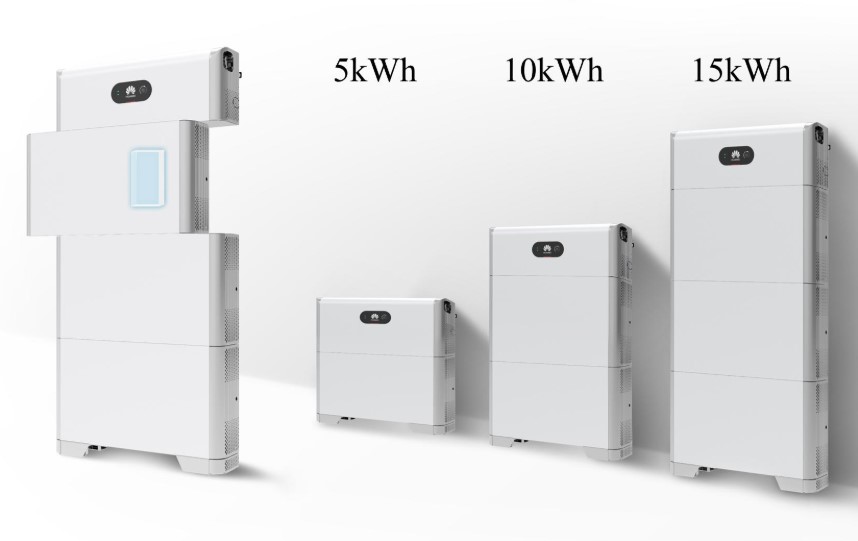
A standalone battery storage system works by purchasing electricity from the National Grid, storing it in rechargeable batteries and releasing it when required.
The system uses a battery inverter or compatible hybrid inverter to manage the movement of electricity between the grid, battery and household electrical circuits.
Here is how the process works:
1. Charging the Battery From the National Grid
The battery draws electricity directly from the National Grid through your home’s electrical supply. Homeowners can schedule charging during cheaper electricity periods, such as overnight off-peak hours.
2. Storing Electricity for Later Use
The battery stores the purchased electricity as chemical energy. Modern lithium-ion and lithium iron phosphate (LiFePO4) batteries are commonly used in residential energy storage systems.
3. Using Stored Electricity During Expensive Hours
When electricity prices increase, the battery discharges and supplies electricity to your home. This reduces the amount of electricity you need to purchase from the grid during expensive periods.
4. Automatically Managing Energy Consumption
Many modern battery systems include intelligent energy management software. These systems can monitor electricity prices, household demand and battery capacity to manage charging and discharging schedules.
For example, if your electricity tariff offers cheaper rates between midnight and 5 am, the battery can charge during that period and provide power during the evening peak.
Is Battery Storage Without Solar Panels Worth It in UK?
Yes, battery storage without solar panels can be worth it in the UK, but it is not automatically a cost-effective investment for every household.
Its financial value mainly comes from the difference between the electricity price when charging the battery and the price when using its stored electricity.
If you have access to a competitive time-of-use electricity tariff, you may be able to purchase electricity at a lower price overnight and use it when daytime or evening rates are higher.
However, battery storage systems have installation costs, energy conversion losses, maintenance considerations and a limited operating lifespan. These factors must be included when calculating potential savings.
When Is Standalone Battery Storage Worth Considering?
A standalone battery storage system may be a suitable option if:
- You have access to a cheap overnight electricity tariff.
- Your household uses considerable electricity during expensive peak periods.
- You want to reduce reliance on peak-rate grid electricity.
- You have an electric vehicle that can benefit from coordinated overnight charging.
- Your property is unsuitable for solar panel installation.
- You want backup electricity during power cuts and have a compatible backup system.
When Might It Not Be Worth It?
A battery-only installation may not be financially attractive if:
- You use relatively little electricity.
- Your electricity tariff has similar prices throughout the day.
- You cannot access competitive off-peak rates.
- Your installation costs are particularly high.
- Your household already uses most electricity during cheaper periods.
- You expect to move before recovering the installation cost.
The most important consideration is whether your electricity savings over the battery’s useful life can justify the initial investment.
Benefits of Installing Battery Storage Without Solar Panels
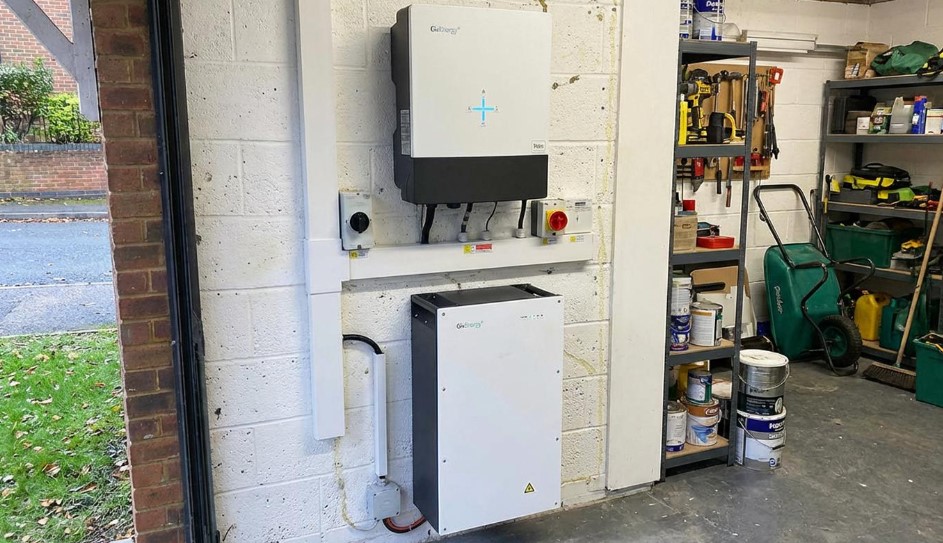
A standalone battery storage system offers several advantages for homeowners who want more control over their electricity consumption.
1. Save Money With Off-Peak Electricity Tariffs
One of the biggest advantages is the ability to take advantage of cheaper electricity rates.
Some UK energy suppliers offer time-of-use tariffs that provide lower electricity prices during specific hours, usually overnight. You can charge your battery during these periods and use the stored electricity when rates are higher.
For example:
- Charge the battery overnight at 8p per kWh.
- Store electricity for daytime use.
- Discharge the battery during expensive electricity periods.
- Reduce the amount of electricity purchased at peak rates.
Your actual savings will depend on the difference between the two electricity rates and the battery’s efficiency.
2. Reduce Dependence on the National Grid During Peak Hours
A home battery allows you to use electricity purchased earlier rather than continuously relying on the National Grid at the current tariff rate.
Although your property remains connected to the grid, you can reduce the amount of electricity you purchase during expensive periods.
This can be particularly useful for households with high evening electricity consumption.
3. Suitable for Homes Without Suitable Roof Space
Not every UK property is suitable for solar panel installation. Some homes have:
- North-facing roofs.
- Heavy shading from trees or nearby buildings.
- Limited roof space.
- Roof structures that require repairs.
- Planning or property restrictions.
A standalone battery provides an alternative because it does not depend on rooftop solar generation.
4. Potential Backup Electricity During Power Cuts
Some home battery storage systems can provide electricity during a power cut, but this functionality is not automatic.
You need a compatible battery, suitable inverter, backup gateway or changeover equipment and correctly configured electrical circuits.
Depending on the system, backup power may operate selected essential circuits rather than the entire property.
Before purchasing, ask your installer whether the system provides automatic backup and which appliances it can operate.
5. Better Control Over Household Energy Consumption
Modern battery storage systems often include mobile applications and intelligent energy management features.
These allow homeowners to:
- Monitor battery charging and discharging.
- View household electricity consumption.
- Schedule charging periods.
- Check remaining battery capacity.
- Monitor electricity imported from the grid.
- Adjust charging preferences according to tariff rates.
These features help households understand their energy usage and make more informed electricity purchasing decisions.
6. Support More Efficient Use of Renewable Electricity
Grid electricity can contain a changing proportion of renewable energy depending on weather conditions and overall generation.
Some smart tariffs reflect periods when electricity is cheaper because of lower demand or greater renewable generation.
Charging your battery during these periods can help make better use of available renewable electricity. However, the environmental benefit depends on the actual electricity generation mix at charging time.
How Much Does Battery Storage Without Solar Panels Cost in the UK?
The cost of installing battery storage without solar panels in the UK depends on battery capacity, manufacturer, inverter requirements, electrical work and installation complexity.
A smaller battery generally costs less, while larger systems require a higher initial investment.
According to the Energy Saving Trust, home battery storage can range from approximately £1,500 to £10,000, with a typical 5kWh battery system costing around £4,600. Actual standalone installation quotations can vary considerably depending on the equipment and work involved. Energy Saving Trust+1
Estimated Home Battery Storage Costs
The following figures are indicative budgeting allowances, not verified quotations or fixed UK market prices.
| Battery capacity | Estimated installed budget |
|---|---|
| 3–5kWh | £2,500–£4,500 |
| 5–7kWh | £3,500–£5,500 |
| 8–10kWh | £4,500–£7,500 |
| 10–15kWh | £6,000–£9,000 |
| 15–20kWh | £7,500–£11,000+ |
Prices may change depending on the battery brand, inverter compatibility, backup functionality and installation requirements.
What Factors Affect Installation Costs?
1. Battery Capacity
Battery capacity is measured in kilowatt-hours (kWh). A larger battery can store more electricity but generally costs more.
2. Battery Manufacturer
Different manufacturers offer different battery technologies, warranties, monitoring features and performance specifications.
3. Inverter Requirements
A standalone battery needs a suitable inverter or compatible integrated inverter arrangement to convert electricity between AC and DC.
4. Electrical Installation
The installation may require additional cabling, protective equipment, consumer unit modifications and electrical testing.
5. Backup Power Functionality
If you want your battery to supply electricity during power cuts, additional equipment and electrical configuration may increase the installation cost.
Read More About; How Much Does Solar Battery Storage Cost UK?
Is Battery Storage Without Solar Panels VAT-Free in the UK?
0% VAT until 31 March 2027
Yes. The installation of a qualifying standalone electrical storage battery in residential accommodation is currently eligible for 0% VAT in Great Britain.
HMRC introduced this treatment from 1 February 2024. It covers standalone batteries that store electricity from the National Grid, even when the property does not have solar panels.
The current temporary zero rate runs until 31 March 2027, after which the applicable rate is scheduled to become 5%.
It is important to distinguish between an installed battery system and purchasing a battery unit separately. The VAT treatment of a standalone product purchase can differ from that of a qualifying installation. GOV.UK+1
How Much Money Can You Save With a Battery Without Solar Panels?
The potential savings depend on how much electricity you can purchase at a lower rate and how much expensive grid electricity the battery can replace.
Let’s consider a simple example.
Suppose a UK household installs a battery with 5kWh of usable capacity and charges it overnight using an off-peak tariff.
Example electricity cost calculation
Off-peak electricity
8p
Per kWh
Peak electricity
28p
Per kWh
Battery efficiency
90%
Usable capacity
5kWh
Cost of charging
- Electricity purchased: 5.56kWh
- Charging cost: approximately £0.44
- Electricity delivered: 5kWh
- Cost of buying 5kWh directly at peak rate: £1.40
Estimated saving per full cycle
£0.96
Illustrative calculation assuming 90% round-trip efficiency, a full usable discharge and no additional standby consumption or tariff-related charges.
If the battery completes one equivalent full cycle every day:
- Daily saving: approximately £0.96.
- Monthly saving: approximately £28.80.
- Annual saving: approximately £350.
These are illustrative gross energy-cost savings, not guaranteed savings. Actual results will depend on household consumption, charging schedules, tariff availability, battery degradation and electricity price changes.
How to Calculate Your Own Battery Savings
You can use the following formula:
\[ \text{Saving} = D \times P – \frac{D}{E}\times O \]
Where:
- D = Electricity delivered by the battery (kWh).
- P = Peak electricity price (p/kWh).
- O = Off-peak electricity price (p/kWh).
- E = Battery round-trip efficiency expressed as a decimal.
For example, if your battery delivers 5kWh, your peak rate is 28p, your off-peak rate is 8p and efficiency is 90%, the saving is approximately 96p per cycle.
This calculation helps you understand whether a battery is financially worthwhile before committing to installation.
Which Battery Capacity Is Suitable for a Home Without Solar Panels?
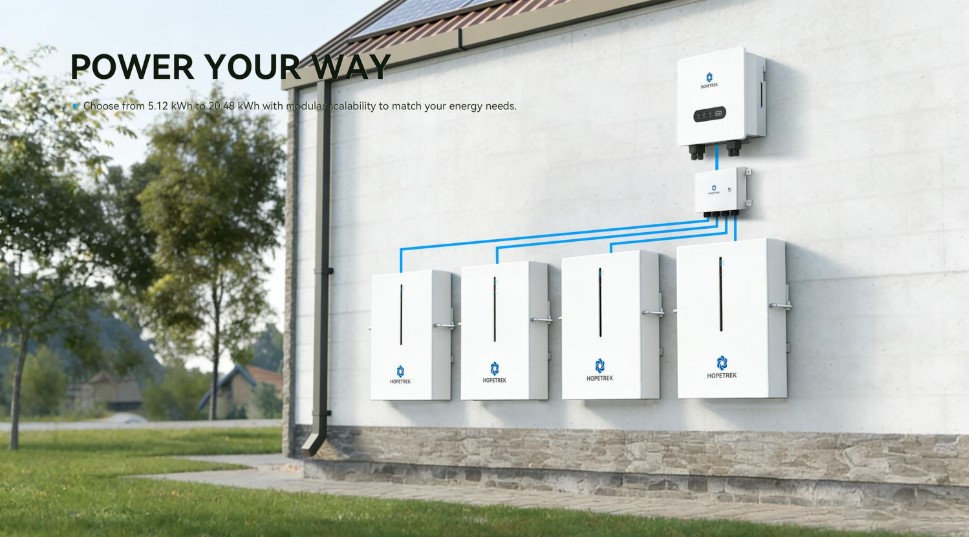
Choosing the correct battery capacity is important because an oversized battery can increase your initial investment without delivering additional savings.
The right capacity depends on how much electricity your household uses outside the cheaper charging period.
| Battery capacity | Potential suitability |
|---|---|
| 3–5kWh | Smaller households with moderate evening usage |
| 5–7kWh | Small to medium-sized households |
| 8–10kWh | Medium to larger households |
| 10–15kWh | Larger homes with higher electricity consumption |
| 15–20kWh | High-consumption properties with suitable demand |
These are general sizing suggestions rather than fixed household requirements.
What Should You Consider Before Choosing a Battery?
- Daily electricity consumption: Review your smart meter readings.
- Evening electricity usage: Identify how much electricity you consume after the cheaper tariff ends.
- Charging time: Check whether the battery can fully charge within your off-peak window.
- Discharge power: Make sure the battery can supply the appliances you intend to operate.
- Usable capacity: Compare usable storage rather than relying only on advertised total capacity.
A professional assessment can help identify a suitable battery size based on your actual electricity consumption.
Best Battery Types for Standalone Home Energy Storage
Different battery technologies are available for residential energy storage. Your choice should depend on safety, lifespan, efficiency, installation requirements and budget.
1. Lithium-Ion Battery Storage
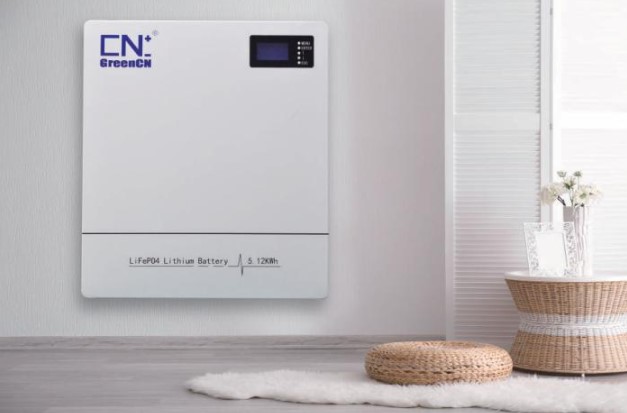
Lithium-ion batteries are widely used in modern home energy storage systems because of their relatively high energy density and efficient charging and discharging performance.
They are suitable for homeowners who want compact energy storage with automated energy management.
2. Lithium Iron Phosphate (LiFePO4) Batteries
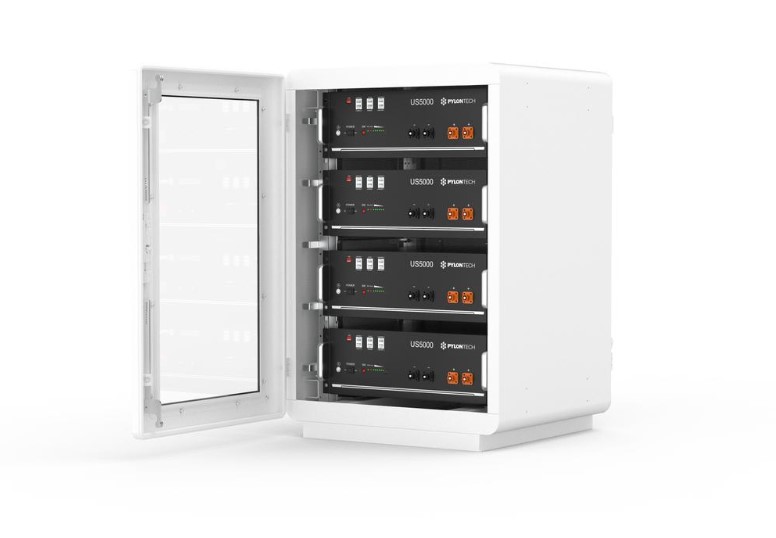
Lithium iron phosphate batteries are a type of lithium-ion battery.
They are increasingly used in residential installations because they offer good thermal stability, durability and cycle-life characteristics.
Many homeowners consider this technology when looking for a long-term home battery storage solution.
3. Lead-Acid Battery Storage
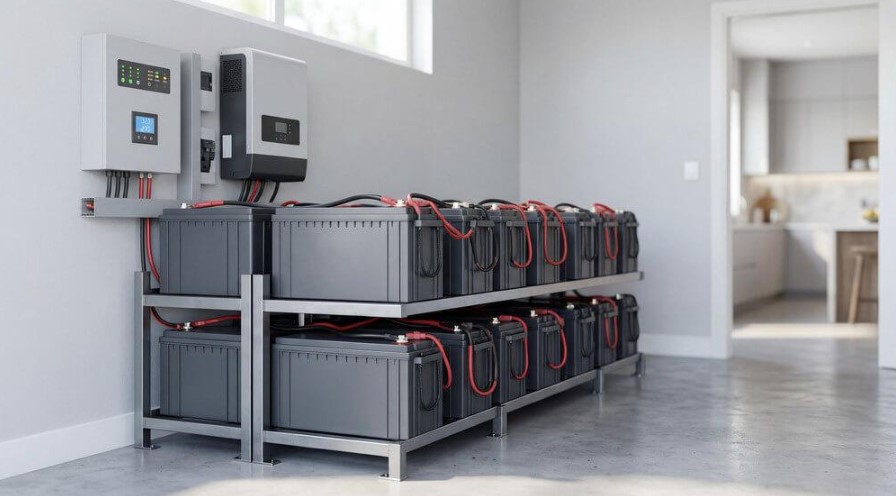
Lead-acid batteries are an older energy storage technology.
Although they can have a lower initial purchase price, they generally offer lower usable capacity, lower efficiency and shorter cycle life than many modern lithium battery systems.
They may be suitable for certain backup applications, but are not always the most economical choice for daily grid-charging and discharging.
What Is the Difference Between Battery Storage With and Without Solar Panels?
Both systems store electricity for later use, but their charging sources and financial benefits are different.
Battery With Solar Panels
Stores electricity generated by solar panels and can also use grid electricity if configured.
Battery Without Solar Panels
Stores electricity purchased from the National Grid for use at a later time.
| Comparison | With solar panels | Without solar panels |
|---|---|---|
| Main charging source | Solar generation | National Grid |
| Uses sunlight | Yes | No |
| Can charge overnight | If configured | Yes |
| Reduces peak grid purchases | Yes | Yes |
| Generates renewable electricity at home | Yes | No |
| Can use smart tariffs | Yes | Yes |
| Requires solar installation | Yes | No |
| Can provide backup | With compatible equipment | With compatible equipment |
Which System Offers Better Value?
A battery with solar panels can offer greater long-term value because it allows homeowners to store electricity generated by their own solar installation.
A standalone battery can still be worthwhile when there is a sufficiently large difference between off-peak and peak electricity prices.
The right option depends on your property, budget, electricity tariff and energy requirements.
Which UK Electricity Tariffs Work With Battery Storage Without Solar Panels?
Choosing the correct electricity tariff is one of the most important decisions when installing a standalone battery.
A battery does not automatically reduce electricity costs. It needs an appropriate charging schedule and a tariff that offers lower prices during certain periods.
1. Economy 7 Tariffs
Economy 7 tariffs provide cheaper electricity for a designated seven-hour overnight period, although exact timings depend on the supplier and meter arrangement.
A home battery can charge during these cheaper hours and supply electricity during more expensive daytime periods.
2. Dynamic Electricity Tariffs
Some suppliers offer tariffs where electricity prices change throughout the day.
These tariffs may provide opportunities to charge a battery when wholesale electricity prices are lower and discharge it when electricity prices rise.
However, prices can also increase unexpectedly, so intelligent battery management is important.
3. Battery-Specific Electricity Tariffs
Some suppliers offer tariffs designed for households with battery storage systems.
Depending on the supplier’s terms, these tariffs may offer dedicated overnight charging periods or other benefits for compatible battery installations.
4. Time-of-Use Electricity Tariffs
Time-of-use tariffs charge different rates at different times of the day.
They can help homeowners shift electricity consumption away from expensive periods by using stored energy.
Important: Not every cheap electricity tariff accepts battery-only households. Some tariffs require an electric vehicle, heat pump, solar installation or particular compatible equipment. Always check the eligibility requirements before purchasing a battery. Energy+2
Can You Sell Electricity Back to the Grid Without Solar Panels?
This is an important question for homeowners considering standalone battery storage.
The UK’s Smart Export Guarantee (SEG) provides payments to eligible households and businesses for exporting electricity generated by qualifying renewable technologies.
However, a standalone battery charged exclusively from the National Grid does not independently qualify for SEG export payments.
This means you should not include SEG income in your financial calculations when assessing a battery-only installation.
Some energy suppliers may offer other arrangements for battery exports or flexibility services, subject to their individual terms, technical requirements and eligibility rules. These should not be confused with standard SEG payments. solar.org.uk+1
How Long Does a Home Battery Last Without Solar Panels?
The lifespan of a home battery depends on its technology, usage patterns, operating temperature, charging cycles and maintenance.
The Energy Saving Trust indicates that a typical home battery storage system may last approximately 10–12 years, although individual products and warranties vary. Energy Saving Trust
Factors That Affect Battery Lifespan
Charging and discharging cycles: Frequent cycling contributes to gradual battery degradation.
Temperature: Excessive heat or unsuitable operating conditions can affect battery performance.
Depth of discharge: Repeatedly using the full battery capacity may affect long-term durability, depending on battery chemistry and manufacturer specifications.
Battery management system: Intelligent battery management helps monitor voltage, temperature and charging conditions.
Product quality: Manufacturer specifications, warranty coverage and installation quality all influence long-term reliability.
When comparing products, check the warranty period, guaranteed remaining capacity and any energy-throughput or cycle limits.
Does Battery Storage Without Solar Panels Work During a Power Cut?
Yes, some standalone battery systems can provide backup electricity during a power cut, but not all battery installations have this capability.
A standard grid-connected battery generally shuts down when the grid supply fails because of electrical safety requirements.
To provide backup power, the installation needs a compatible backup system that can safely disconnect the property from the National Grid and supply selected circuits.
Appliances That May Run on Battery Backup
Depending on the battery’s power rating and backup configuration, it may operate:
- LED lighting.
- Wi-Fi routers.
- Television.
- Refrigerators.
- Computers and laptops.
- Selected small household appliances.
High-power equipment such as electric showers, ovens and electric heating systems may require a much larger system or may not be suitable for backup operation.
Always ask your installer which circuits can receive backup electricity and for how long.
What Are the Disadvantages of Battery Storage Without Solar Panels?
Although standalone battery storage offers several advantages, there are some limitations homeowners should understand.
1. High Initial Installation Cost
A residential battery storage system can require several thousand pounds of upfront investment.
Without sufficient electricity savings, the system may take many years to recover its installation cost.
2. No Free Solar Electricity
A standalone battery purchases all its charging electricity from the National Grid.
Unlike solar battery systems, it cannot store free electricity generated by rooftop solar panels.
3. Energy Conversion Losses
Battery systems lose some electricity during charging and discharging.
For example, a battery with 90% round-trip efficiency needs approximately 1.11kWh of purchased electricity to deliver 1kWh of usable electricity.
4. Dependence on Electricity Tariffs
Your potential savings depend on the difference between cheaper and more expensive electricity rates.
If the price difference becomes smaller, the financial benefits may also decrease.
5. Limited Storage Capacity
Once the battery is empty, your household must purchase electricity directly from the National Grid.
A battery cannot provide unlimited electricity and needs to be sized according to your household’s requirements.
6. Battery Degradation
Battery capacity gradually decreases over time.
This means an older battery may store and deliver less electricity than when it was first installed.
How to Install Battery Storage Without Solar Panels in UK
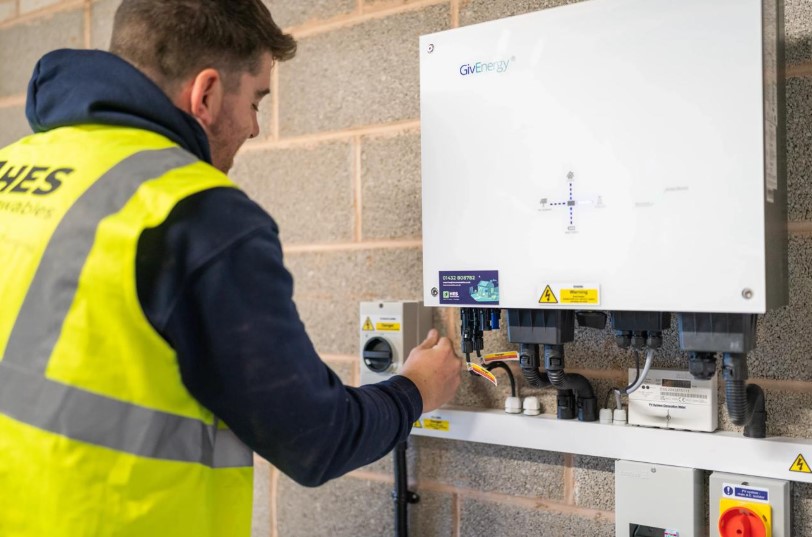
Installing a standalone battery storage system requires suitable equipment, electrical connections and professional installation.
The process generally involves the following steps.
Step 1: Assess Your Household Electricity Consumption
Start by reviewing your electricity bills and smart meter readings.
Identify how much electricity your household uses during peak and off-peak periods. This information helps determine the battery capacity you actually need.
Step 2: Choose a Suitable Battery System
Select a battery based on your energy consumption, available installation space, charging requirements and budget.
Consider the following specifications:
- Usable battery capacity (kWh).
- Charging and discharging power (kW).
- Round-trip efficiency.
- Battery chemistry.
- Manufacturer warranty.
- Smart monitoring capabilities.
- Backup power compatibility.
Step 3: Check Inverter Compatibility
A standalone battery requires an appropriate inverter arrangement.
Your installer should determine whether you need a dedicated battery inverter or a compatible hybrid inverter.
The equipment must be suitable for your existing electrical installation.
Step 4: Select an Appropriate Installation Location
Home batteries can be installed in suitable garages, utility rooms or other approved locations.
The installation area must meet manufacturer requirements for ventilation, temperature, clearances, fire safety and accessibility.
Step 5: Professional Installation and Electrical Testing
A qualified installer should connect the battery to your household electrical system, configure the inverter and test the complete installation.
The installer should also assess distribution network notification or approval requirements with the relevant Distribution Network Operator (DNO), as applicable.
Step 6: Configure Your Electricity Tariff
After installation, configure your battery charging schedule to match your electricity tariff.
If your supplier offers cheaper overnight electricity, the battery should be programmed to charge during those periods and discharge when electricity prices are higher.
How Long Does It Take for a Battery Without Solar Panels to Pay for Itself?
The payback period depends on the initial installation cost and the annual savings achieved through electricity price differences.
You can calculate the simple payback period using this formula:
\[ \text{Payback Period} = \frac{\text{Installation Cost}}{\text{Annual Savings}} \]
Consider the following example:
| Description | Amount |
|---|---|
| Battery installation cost | £5,000 |
| Estimated annual savings | £350 |
| Monthly average savings | £29.17 |
| Simple payback period | 14.3 years |
This example demonstrates why standalone battery storage does not automatically represent a good financial investment.
The estimated payback period may exceed the battery’s useful lifespan or warranty period.
For a more realistic calculation, you should also account for battery degradation, maintenance, finance costs, standby electricity consumption and future tariff changes.
Is a Standalone Battery Better Than Installing Solar Panels?
The answer depends on your main objective.
If your priority is reducing electricity purchases during expensive hours, a standalone battery may be sufficient.
However, if you want to generate renewable electricity, reduce dependence on purchased electricity and store surplus daytime generation, solar panels combined with battery storage may offer greater benefits.
Consider these differences:
| Your requirement | Suitable option |
|---|---|
| Store cheaper overnight electricity | Standalone battery |
| Generate your own electricity | Solar panels |
| Store surplus solar generation | Solar battery system |
| Use stored energy during peak hours | Both options |
| Reduce reliance on grid electricity | Solar and battery |
| Avoid rooftop solar installation | Standalone battery |
| Earn eligible solar export payments | Solar PV with eligible export arrangements |
For homeowners with suitable roof space and sufficient budget, combining solar panel installation and battery storage can provide a more comprehensive home energy solution.
Is Battery Storage Without Solar Panels a Good Investment in 2026?
Battery storage without solar panels can be a useful investment in 2026, particularly for households that can access competitive electricity tariffs and regularly consume electricity during expensive periods.
However, homeowners should not purchase a battery simply because electricity prices are increasing.
The financial calculation must demonstrate that the savings from shifting electricity consumption are sufficient to justify the installation cost.
Before making a decision, consider:
- Compare your existing electricity tariff with available time-of-use tariffs.
- Check whether the supplier allows battery-only customers to join.
- Calculate your household’s peak and off-peak electricity consumption.
- Compare different battery capacities and manufacturers.
- Request installation quotations from qualified installers.
- Check the battery warranty and expected lifespan.
- Calculate the expected payback period.
The best approach is to assess your household’s actual electricity consumption rather than choosing a battery based on advertised savings.
How Solar Xtra Can Help With Home Battery Storage Installation
Choosing the right home battery storage system involves more than selecting a battery capacity. You also need suitable equipment, inverter compatibility, professional electrical installation and an effective energy management configuration.
Solar Xtra provides renewable energy installation services, including battery storage systems, helping homeowners consider suitable energy storage solutions for their properties.
Whether you already have solar panels or want to explore a standalone battery installation, understanding your household electricity requirements is an important first step.
When considering a home battery storage installation, Solar Xtra can help you explore:
- Home battery storage installation.
- Standalone battery storage options.
- Battery capacity and system requirements.
- Battery inverter installation.
- Energy storage system upgrades.
- Battery monitoring solutions.
- Solar and battery storage integration.
If you are considering battery storage without solar panels in the UK, contact Solar Xtra to discuss your property requirements and explore suitable battery installation options.
Frequently Asked Questions About Battery Storage Without Solar Panels in the UK
1. Can I install a home battery without solar panels in the UK?
Yes. You can install a standalone home battery without solar panels. The system charges directly from the National Grid, stores electricity and supplies your home when needed. You can use an appropriate time-of-use tariff to charge during cheaper periods.
2. Is battery storage without solar panels worth it in the UK?
It can be worthwhile if you have access to cheaper off-peak electricity and regularly use electricity during expensive periods. However, the initial installation cost, battery efficiency and electricity tariff determine whether the investment offers sufficient savings.
3. How much does a standalone home battery cost in the UK?
A standalone home battery installation can cost approximately £2,500 to £11,000 or more, depending on battery capacity, manufacturer, inverter requirements and installation complexity. A professional quotation is necessary to establish the actual price.
4. Can I charge my home battery using electricity from the National Grid?
Yes. Modern home battery systems can charge directly from the National Grid. You can configure compatible systems to charge automatically during cheaper electricity periods and discharge when electricity prices increase.
5. Do I need a special electricity tariff for battery storage?
You do not always need a special tariff, but a time-of-use tariff can make standalone battery storage more financially attractive. These tariffs offer different electricity prices throughout the day, allowing homeowners to purchase electricity when rates are lower.
6. Can I use Octopus Energy tariffs with a battery without solar panels?
Some Octopus Energy tariffs may work with standalone battery storage, but eligibility depends on the specific tariff. For example, dynamic tariffs and certain battery arrangements may be suitable, while some products require an electric vehicle, solar panels or other compatible equipment. Always check current supplier conditions.
7. Can a home battery work during a power cut without solar panels?
Yes, if the battery system includes suitable backup functionality and the necessary electrical equipment. A standard grid-connected battery does not automatically provide electricity during a power cut.
8. How long does a standalone home battery last?
A typical residential battery may last around 10–12 years, although its lifespan depends on battery chemistry, operating conditions, charging cycles and usage. Some manufacturers offer different warranty periods and capacity guarantees.
9. Can I sell electricity back to the National Grid using a battery without solar panels?
A standalone battery charged from the National Grid does not independently qualify for Smart Export Guarantee payments. Other battery export arrangements may be available through certain suppliers, but their terms and eligibility requirements differ.
10. Is battery storage without solar panels VAT-free in the UK?
Qualifying standalone battery installations in residential properties currently benefit from 0% VAT in Great Britain until 31 March 2027. The scheduled rate after that date is 5%. The VAT treatment of purchasing a battery separately can differ from an installed system.
11. What size battery do I need for a house without solar panels?
The appropriate battery size depends on your daily electricity consumption, peak-period usage and available off-peak charging hours. Smaller households may consider 3–5kWh, while higher-consumption properties may require 8–15kWh or more.
12. Which battery is best for a home without solar panels?
Lithium iron phosphate (LiFePO4) and other lithium-ion batteries are popular choices for residential energy storage. Compare usable capacity, round-trip efficiency, warranty, cycle life, inverter compatibility and safety specifications before selecting a system.
13. Can I add solar panels to my battery system later?
Yes, many homeowners can add solar panels to an existing battery installation. However, this depends on inverter compatibility, system design and electrical configuration. Choosing equipment that allows future expansion can make upgrades easier.
14. Does a home battery reduce electricity bills without solar panels?
Yes. A home battery can reduce electricity bills by storing cheaper grid electricity and supplying it during more expensive periods. However, the savings depend on tariff differences, battery efficiency and household electricity consumption.
15. Is it better to install solar panels and battery storage together?
For homeowners with suitable roofs, installing solar panels and battery storage together can provide additional benefits. Solar panels generate electricity, while the battery stores surplus generation for later use. This can reduce the amount of electricity purchased from the grid.
Want to know what solar would save on your own roof?
Book Your Free Survey